Closets, rugs and attics
Carpet beetle control that finds the larvae
The beetles on the windowsill are leaving; the larvae are staying. Finding where they feed, from the back of a closet to an old nest in the attic, is what protects wool, silk and everything else.
Updated October 2026
This treatment, at a glance
- Job type
- Search, clean and treat
- Damage
- Wool, silk, feathers, fur
- Hidden source
- Often an attic nest
- Line
- Answered 24/7
Carpet beetle control in Los Angeles means finding where the larvae are feeding, often in closets, under furniture, along baseboards or on an old nest in the attic, then deep cleaning and treating those spots so the cycle breaks. Adults on windowsills are the sign; the larvae do the damage to wool, silk and feathers. Call (323) 329-3792, answered 24/7.
What the service covers
Larvae, not the beetles on the sill
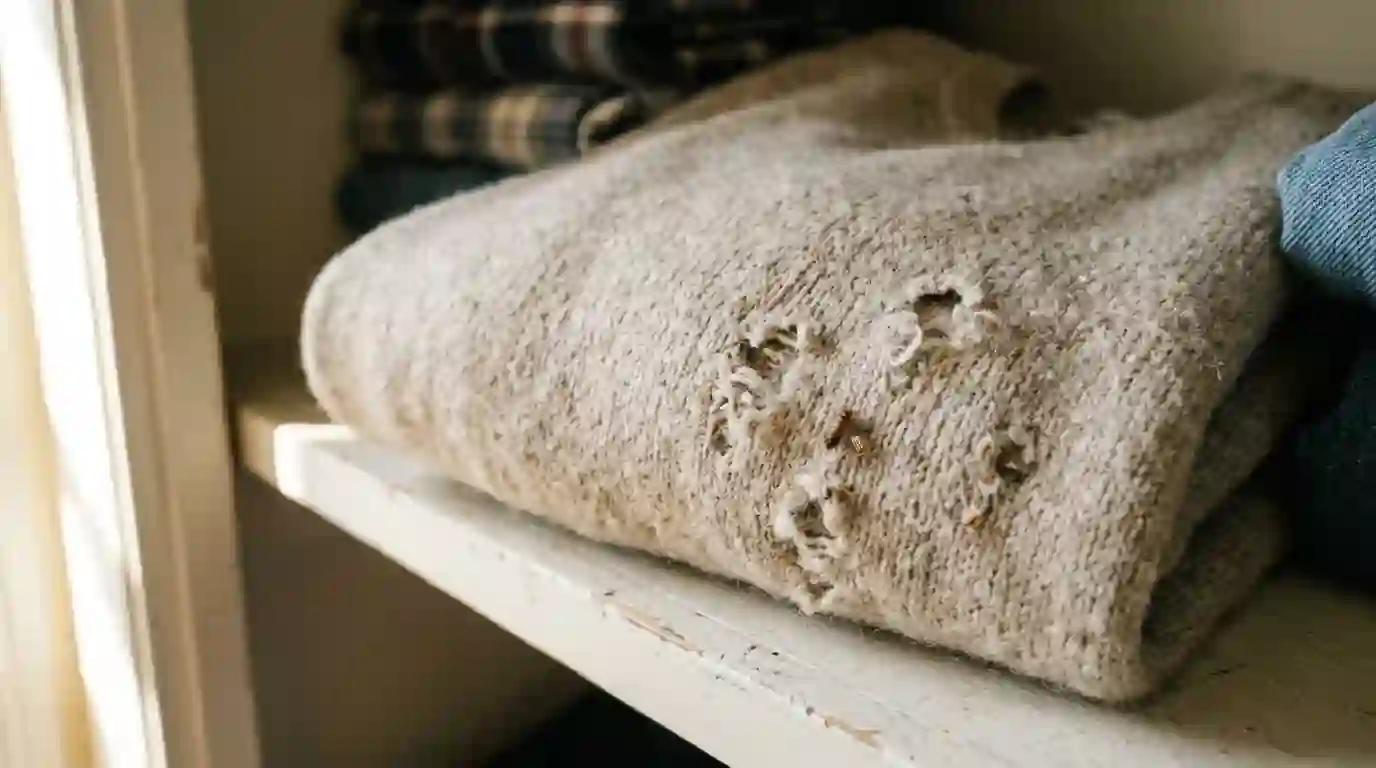
Carpet beetles are easy to miss and slow to notice. The small mottled adults turn up on windowsills in spring and summer because they are trying to get outside to feed on pollen. The larvae, fuzzy and brown, stay hidden in dark, undisturbed places eating keratin: wool rugs, sweaters in the back of the closet, felt piano hammers, feather pillows, fur trim and the accumulated lint and pet hair along baseboards.
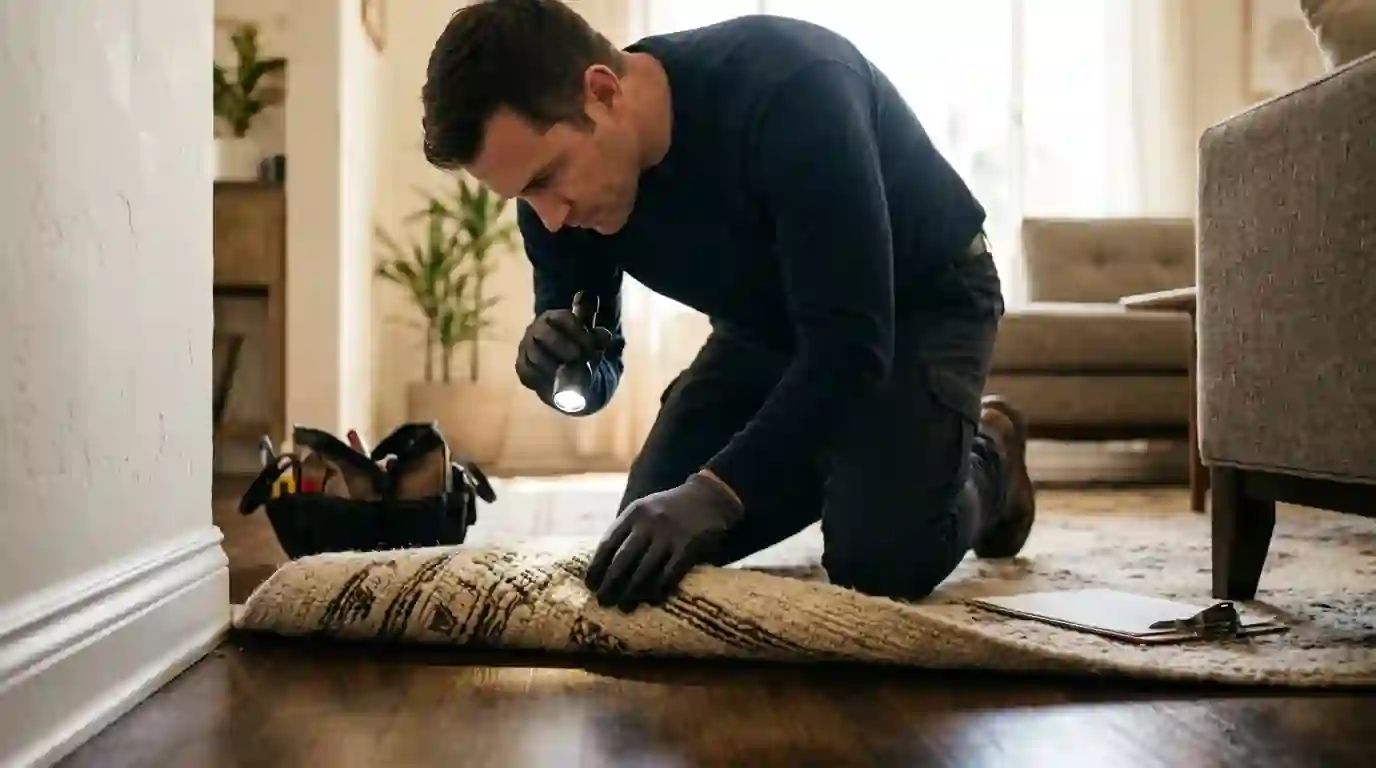
The work is a search and cleanout. Closets, under-bed spaces, rug edges and baseboards get checked for larvae and cast skins, and the attic and wall voids get checked for the old bird or rodent nests and dead insects that often feed a hidden population. Infested areas are vacuumed thoroughly, then treated with products labeled for fabric pests in cracks, baseboards and closet edges. Items that are infested get identified so you can clean, freeze or discard them, and the conditions that let larvae develop get named.
Where larvae hide
Common carpet beetle sources
Closets
Stored wool, silk and fur, especially clothing that has not been worn or cleaned in a while.
Under furniture
Rug edges, carpet under beds and sofas, and the lint and hair that collect there.
Attics and voids
Old bird or rodent nests, dead insects and natural-fiber insulation.
Stored keepsakes
Feathered hats, taxidermy, wool blankets and anything natural kept in boxes.
The visit
How carpet beetle service runs
Inspect
Closets, rugs, furniture and attic checked for larvae, skins and damage.
Find the source
Nests, debris or infested items that feed the population identified.
Clean
Thorough vacuuming of infested zones, cracks and baseboards.
Treat
Fabric-pest treatment in closets, baseboards and voids.
Prevent
Storage and cleaning changes that keep larvae from returning.
Local pressure
Year-round in mild climates
In mild Southern California climates, carpet beetles can develop through the year rather than in one seasonal burst, and adults find plenty of flowering landscaping outdoors to feed on before coming back inside to lay eggs. Older homes with attics that once housed birds or rodents, which is common in Los Angeles given roof rat pressure, frequently turn out to have a carpet beetle source above the ceiling. That link is why the attic gets checked, and why attic cleanup sometimes becomes part of the fix.
What it costs
Current LA market ranges
Figures are current Los Angeles market ranges from published pricing surveys, not a quote. Property size, construction, how established the problem is and access all move the number; we confirm pricing after an inspection.
Common questions
Asked before booking this service
Their larvae eat animal-based fibers: wool rugs and carpets, wool and silk clothing, feathers, fur, leather, felt and natural-bristle brushes. Damage shows as irregular holes, bare patches in rugs and shed larval skins near the damage.
Adult carpet beetles fly toward light to get outside, where they feed on flower pollen. Finding them on sills means larvae have been developing somewhere inside, in a closet, under furniture or in the attic.
Yes. Old bird or rodent nests, dead insects and wool insulation in attics and wall voids are a common breeding source, with larvae later wandering into closets and rooms below. Clearing that source is part of a complete job.
They do not bite, but the tiny bristles on larvae can cause itchy, rash-like skin reactions in some people, which is often mistaken for bites. Removing the infestation removes the irritation.
Clean wool and silk items before storing them, keep them in sealed containers or garment bags, vacuum under furniture and along baseboards regularly, and rotate or check rugs in low-traffic rooms. Larvae prefer dark, undisturbed places.
No, but they do the same kind of damage to wool and silk and are often found together. Clothes moths are small, golden, weak fliers that avoid light and leave silken tubes or webbing on fabric; carpet beetles are tiny round beetles whose fuzzy larvae leave shed skins and irregular holes. The inspection identifies which one, or both, is present, and the cleaning, storage and treatment approach covers fabric pests of either kind.
Related treatments
Often booked alongside this one
The line is on right now
Finding holes in stored clothes?
Call and the inspection will find where the larvae are feeding, which is often not where the damage first showed up.
Answered 24/7, including weekends and holidays.
Call us or find us
- Phone
- (323) 329-3792
- Hours
- Open and answering 24/7, every day
- Service office
- 3123 Cahuenga Blvd W #390, Los Angeles, CA 90068
- Head office
- 7623 Atlanta Ave, Ste 284, Huntington Beach, CA 92646
- Coverage
- Los Angeles, Orange and neighboring counties