American, Oriental, Turkestan, German
Cockroach control matched to the species you actually have
The right roach treatment depends entirely on which roach it is. Sewer-line wanderers need source and perimeter work; kitchen breeders need a baiting program. The inspection sorts it before a dollar is spent.
Updated October 2026
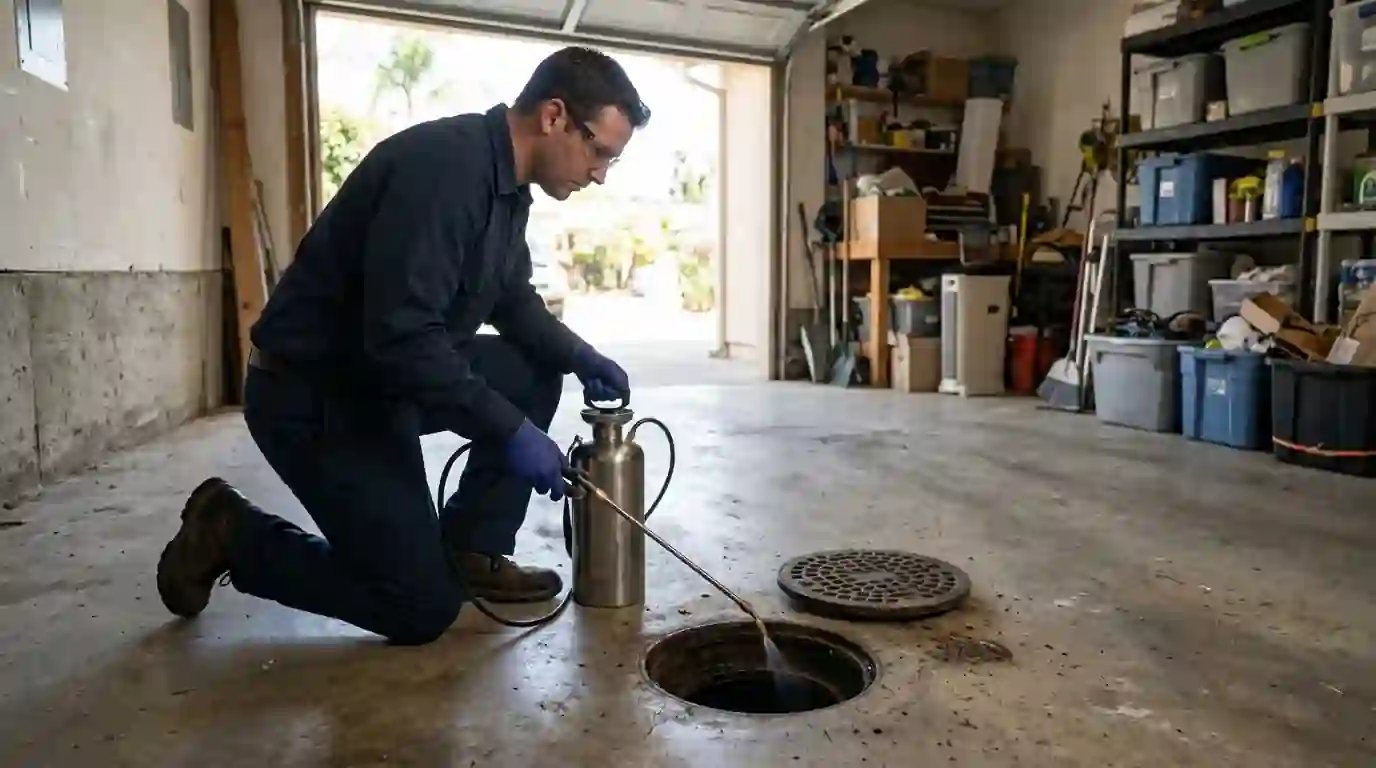
This treatment, at a glance
- Job type
- Species-matched treatment
- Big roaches
- Drain and perimeter work
- German roaches
- Dedicated indoor program
- Line
- Answered 24/7
Cockroach control in Los Angeles starts with species: German roaches breeding in the kitchen need an indoor baiting program, while the big American, Oriental and Turkestan roaches wandering in from sewers and landscaping need drain treatment and a defended perimeter. The inspection tells you which problem you have. Call (323) 329-3792, answered 24/7.
Know your roach
Four species, four different problems
German cockroach
Small, fast, indoors, breeding near warmth and food. The serious one: it gets its own program at German cockroach extermination.
American cockroach
The two-inch "waterbug" from sewer lines and drains, strongest in older plumbing corridors and commercial ground floors.
Oriental cockroach
Dark, slow, moisture-bound: garages, crawl spaces, water meter boxes and damp ground-floor edges.
Turkestan cockroach
The newer arrival massing in LA yards, block walls and irrigation boxes, wandering indoors on warm nights under doors.
How control works
Source, perimeter, entry
For the large outdoor species, chasing individual roaches indoors misses the point: the population lives in the sewer laterals, drains, mulch beds, meter boxes and block-wall voids around the structure, and what you see inside is overflow. Control works those sources directly: drain and void treatment where American roaches surface, granular baiting in the outdoor harborage Turkestan and Oriental roaches mass in, and a treated perimeter band at the foundation and entry points.
Then the doors get honest attention, because a half-inch gap under a garage or patio door is the whole invitation. Entry gaps are flagged or sealed, dried-out floor drains get named so traps stay water-filled, and moisture conditions feeding Oriental roach pressure get called out in plain terms.
Where the inspection finds German roaches instead, you are told so and the job changes shape, because treating an indoor breeding infestation with perimeter tactics wastes your money in both directions.
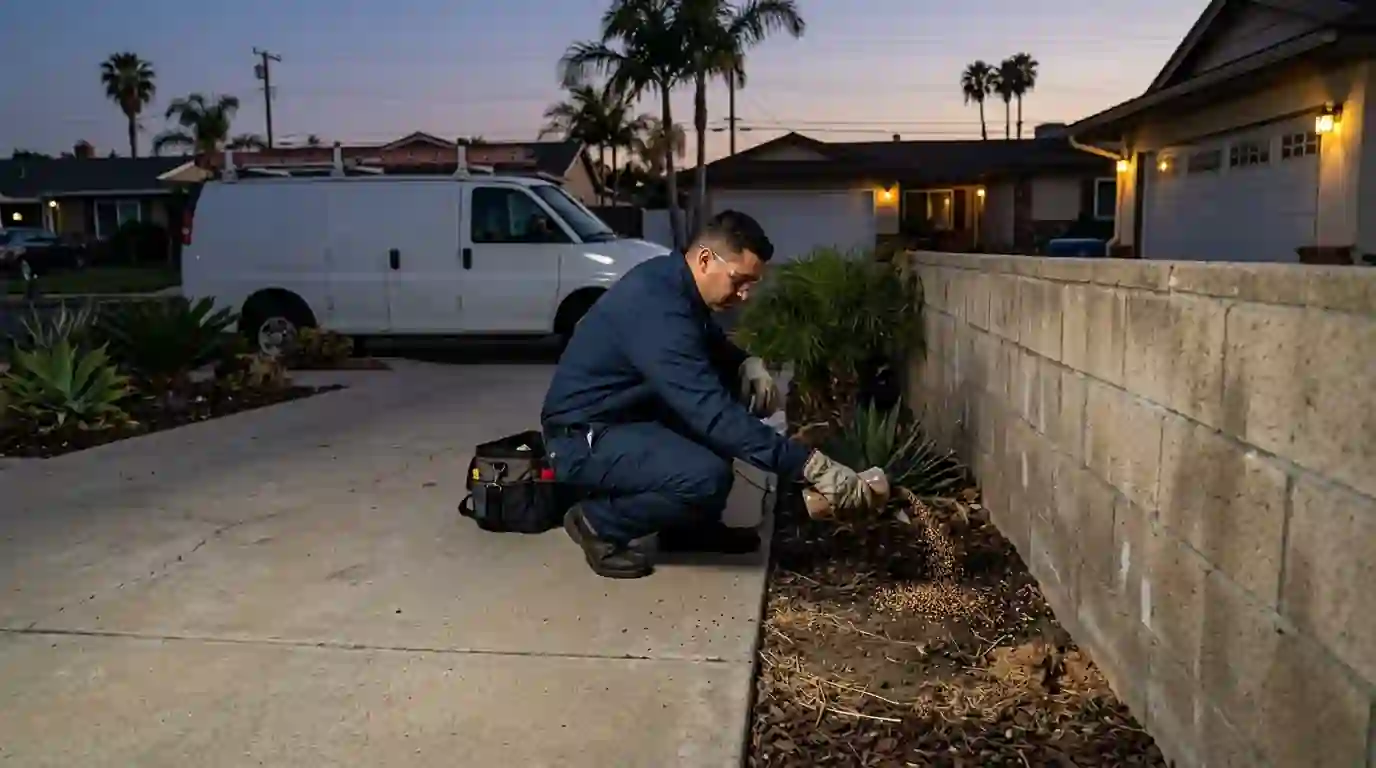
The visit
What roach service looks like
Identify
Species confirmed first, because it decides the entire plan.
Treat the sources
Drains, voids and outdoor harborage treated where populations actually live.
Hold the perimeter
Foundation band, entries and staging areas treated against the nightly push.
Close the doors
Entry gaps, door sweeps and dry traps flagged or fixed so wanderers stay outside.
Verify
Follow-up and monitoring where pressure was heavy, with re-treatment covered.
Local pressure
Why the big roaches thrive here
Los Angeles gives outdoor roach species a near-perfect habitat: no freeze to knock populations back, aging sewer laterals under every older neighborhood that American roaches ride like transit lines, and irrigated landscaping that keeps mulch and soil damp through rainless summers. The Turkestan roach has spread through exactly that irrigated territory over the past two decades, displacing Oriental roaches across much of Southern California, and warm summer nights now bring them to porch lights and under doors across the basin. Perimeter pressure here is a season, not an incident, which is why this service folds naturally into a quarterly plan.
What it costs
Current LA market ranges
Figures are current Los Angeles market ranges from published pricing surveys, not a quote. Property size, construction, how established the problem is and access all move the number; we confirm pricing after an inspection.
Common questions
Asked before booking this service
Four, and they need different fixes. German roaches infest kitchens and breed indoors. American roaches, the big ones people call waterbugs or palmetto bugs, come up from sewers and drains. Oriental roaches work damp ground floors, garages and water meter boxes. Turkestan roaches, spreading fast across Southern California, mass outdoors and wander in under doors.
Usually not. A single American roach is typically a wanderer from the sewer line or landscaping, not a breeding population in your walls. A pattern of them, or any German roach in the kitchen, is a different story, and the inspection tells you honestly which you have.
Drains. American and Oriental roaches travel sewer laterals and surface through floor drains, shower drains and dried-out p-traps, especially in older plumbing. Treatment pairs drain-line work with sealing the gaps around pipes; running water weekly in unused drains keeps the trap barrier filled.
That is exactly what perimeter work is for: treated bands at the foundation and entries, granular bait in the mulch, meter boxes and block walls they stage in, and door sweeps on the gaps they walk under. Outdoor species pressure is seasonal and territorial, so prevention beats chasing wanderers.
They carry the same class of bacteria from sewers onto surfaces, so they are not harmless, but they rarely breed indoors the way German roaches do. The response is proportionate: source and perimeter control rather than an intensive indoor baiting program.
Related treatments
Often booked alongside this one
The line is on right now
Keep meeting one in the hallway at night?
Tell us what it looks like and where, and you will get a straight answer on what species it is and what actually stops it.
Answered 24/7, including weekends and holidays.
Call us or find us
- Phone
- (323) 329-3792
- Hours
- Open and answering 24/7, every day
- Service office
- 3123 Cahuenga Blvd W #390, Los Angeles, CA 90068
- Head office
- 7623 Atlanta Ave, Ste 284, Huntington Beach, CA 92646
- Coverage
- Los Angeles, Orange and neighboring counties