Termites
Termite reports in California escrow, explained
California's wood-destroying organism reports are the most regulated in the country, and they shape real money in a sale. Here is how to read one.
Updated October 2026
This guide, at a glance
- Written by
- Hazel Winslow, Pest Control Guides Editor
- Updated
- October 2026
- Reading time
- About 6 minutes
- Questions
- Call, answered 24/7
By Hazel Winslow, Pest Control Guides Editor. Updated October 2026.
A California WDO report splits findings into Section 1, active infestation or damage that typically must be corrected before escrow closes, and Section 2, conditions likely to lead to infestation that are usually negotiable. Who pays is set by the contract. In Los Angeles, a WDO report typically costs $100 to $150. Call (323) 329-3792 to schedule one.
Why it matters here
Termite country meets escrow
California runs the most regulated structural pest inspection process in the country, and in Southern California that process matters more than almost anywhere. Coastal Southern California has the highest drywood termite prevalence in the continental US, Los Angeles carries subterranean termite pressure at the same time, and the housing stock is full of older wood framing. The result: termite findings show up in a large share of local home sales, and the report that documents them shapes negotiations.
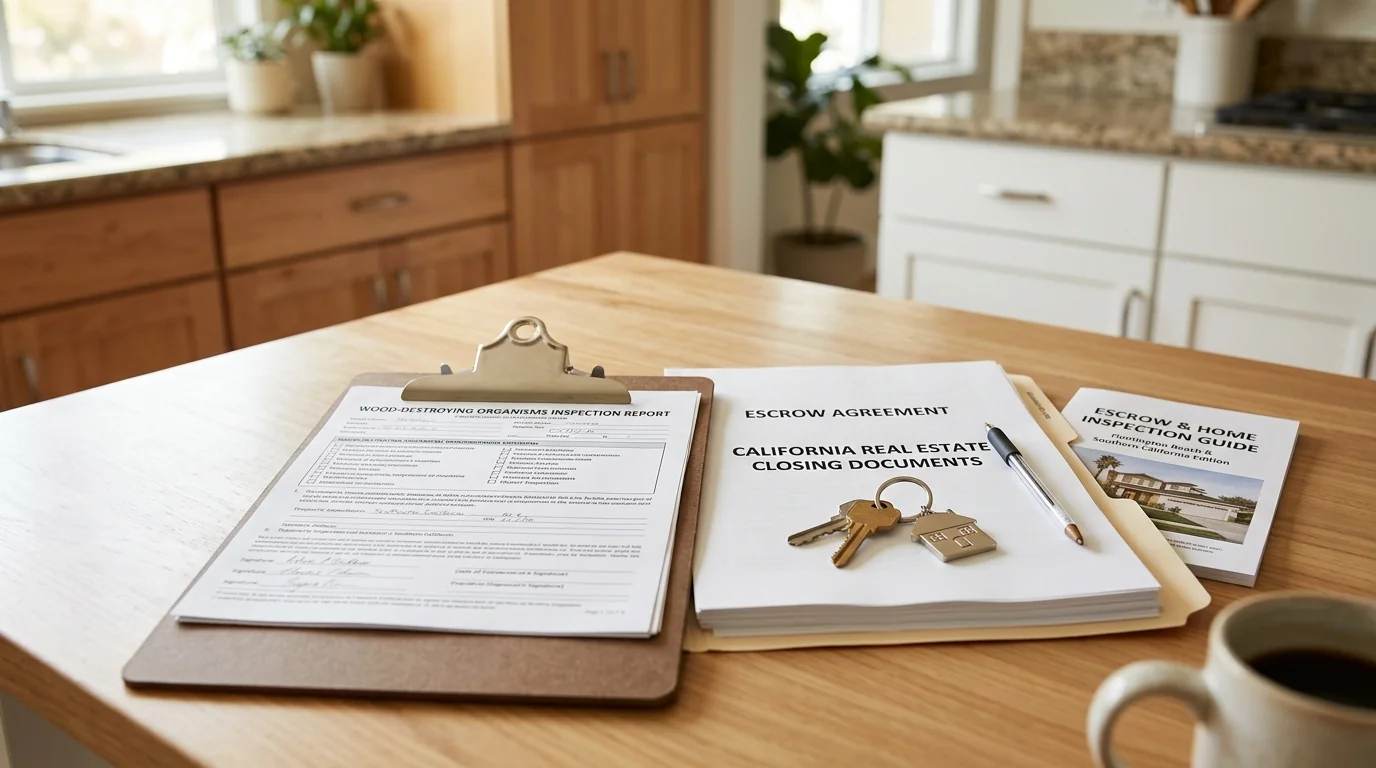
The document itself is the wood-destroying organism report, or WDO report. Lenders and purchase contracts commonly call for one, and it follows a standardized structure that agents, buyers, sellers and underwriters all recognize.
Reading the sections
What each part of the report means
Section 1
Active infestation or damage found: drywood colonies, subterranean activity, fungus damage. Typically must be corrected before escrow closes.
Section 2
Conditions likely to lead to infestation: wood touching soil, excess moisture, faulty grade. Usually negotiable.
Further inspection
Areas that could not be inspected, like finished walls or inaccessible crawl spaces, flagged for a closer look.
Recommendations
Each finding comes with a recommended correction, from spot treatment to fumigation or wood repair.
Who pays
The contract decides
Nothing in the report itself says who pays. That is negotiated in the purchase contract. In many Southern California sales, sellers cover Section 1 corrections and buyers decide whether to address Section 2 items, but practices vary and the contract governs. Buyers should read the report and the contract together; sellers should consider ordering the report before listing so there are no surprises mid-escrow.
Section 1 corrections usually close out with documentation that the work was completed, which escrow and lenders look for before funding. Timing matters: if a recommendation calls for tent fumigation, the household needs to vacate for two to three days, and some LA County municipalities require a permit, so build that into the escrow calendar early.
Tips for buyers and sellers
Using the report well
Sellers: an early report lets you fix Section 1 items on your schedule, price them into the listing and avoid a renegotiation late in escrow. Buyers: walk the findings with the inspector if you can, ask what the recommended correction actually involves, and remember that Section 2 conditions left alone tend to become Section 1 findings later.
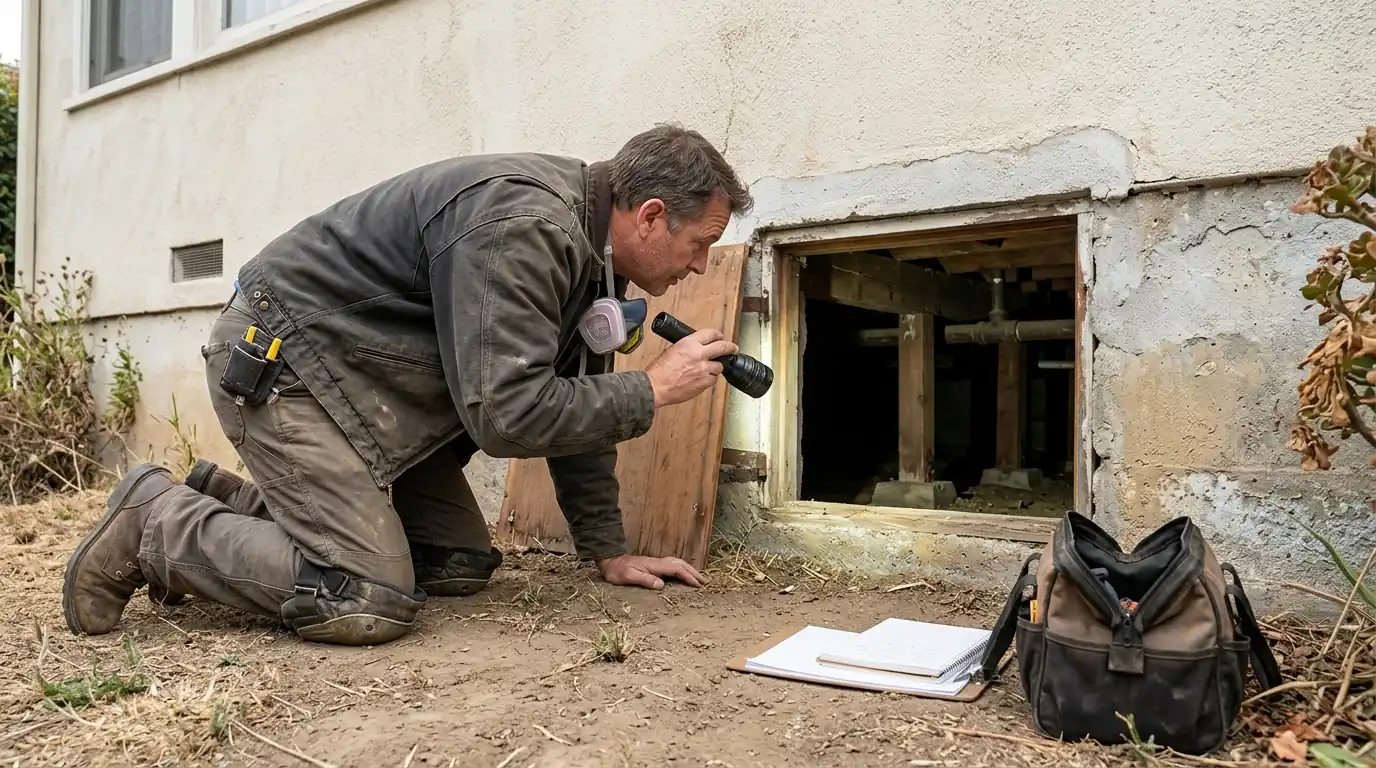
Both sides should compare scope, not just price, if they get more than one bid for corrections. A drywood finding might be a $300 to $800 spot treatment or a $2,000 to $6,000 fumigation depending on spread; the evidence in the report should explain which and why. See termite inspections for how a report is produced.
Common questions
Readers also ask
It is not required by state law for every sale, but lenders and purchase contracts very often call for one, so most Southern California sales include a wood-destroying organism report as a matter of course.
Section 1 lists active infestation or damage from wood-destroying organisms. Section 2 lists conditions likely to lead to infestation, like wood touching soil or excess moisture. Section 1 items typically must be corrected before escrow closes; Section 2 items are usually negotiable.
It is negotiated in the contract. In many Southern California sales the seller covers Section 1 corrections, but nothing requires it; buyers and sellers should read the contract terms and the report together.
In the Los Angeles market, a formal escrow WDO report typically runs $100 to $150. Basic termite inspections outside escrow range from free to about $100.
Related treatments
If this guide matches what you are seeing
Keep reading
More from The Bug Report
Drywood vs Subterranean Termites in Los Angeles
How to tell LA's two termite families apart, why the treatment differs, and what each costs to fix.
How to Prepare for Tent Fumigation in Los Angeles
A plain checklist for the days before, during and after tenting, from bagging food to re-entry.
What Pest Control Costs in Los Angeles, CA
Market ranges for general service, termites, fumigation, bed bugs and rodent sealing, and what moves the number.
The line is on right now
Listing or buying soon?
Call and schedule the WDO inspection early. The report comes back fast, because escrow calendars do not wait.
Answered 24/7, including weekends and holidays.
Call us or find us
- Phone
- (323) 329-3792
- Hours
- Open and answering 24/7, every day
- Service office
- 3123 Cahuenga Blvd W #390, Los Angeles, CA 90068
- Head office
- 7623 Atlanta Ave, Ste 284, Huntington Beach, CA 92646
- Coverage
- Los Angeles, Orange and neighboring counties